
Mindfulness Based Cognitive Therapy Group
Mindfulness Based Cognitive Therapy (MBCT) is an evidenced-based small group program that offers mindfulness practices along side of principles of cognitive therapy to help learn a new way to navigate challenging mood states, including depression and anxiety.
Through 8 sessions with a small group of others navigating similar challenges, you'll find others who are learning how to navigate the challenges and joy that the present moment offers.
Learn science-backed approaches and practices for how to respond to situations in your life with compassion, kindness and curiosity.
I'd love to have you join us in our next sangha, or mindfulness community. Reach out for our next upcoming group!
What is Mindfulness Based Cognitive Therapy?
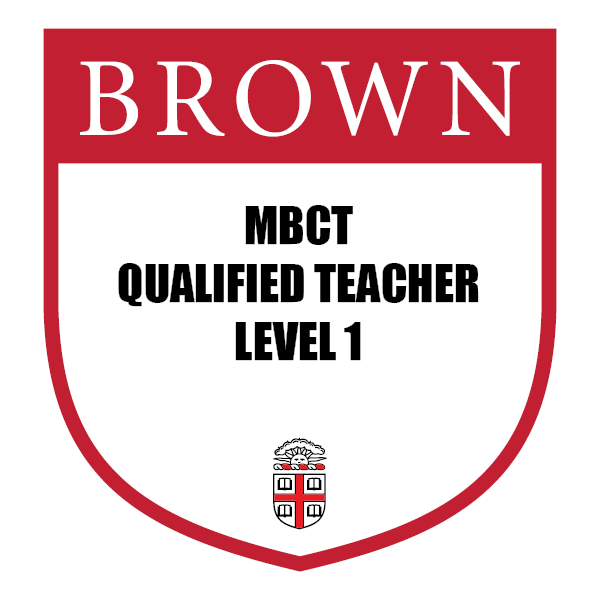
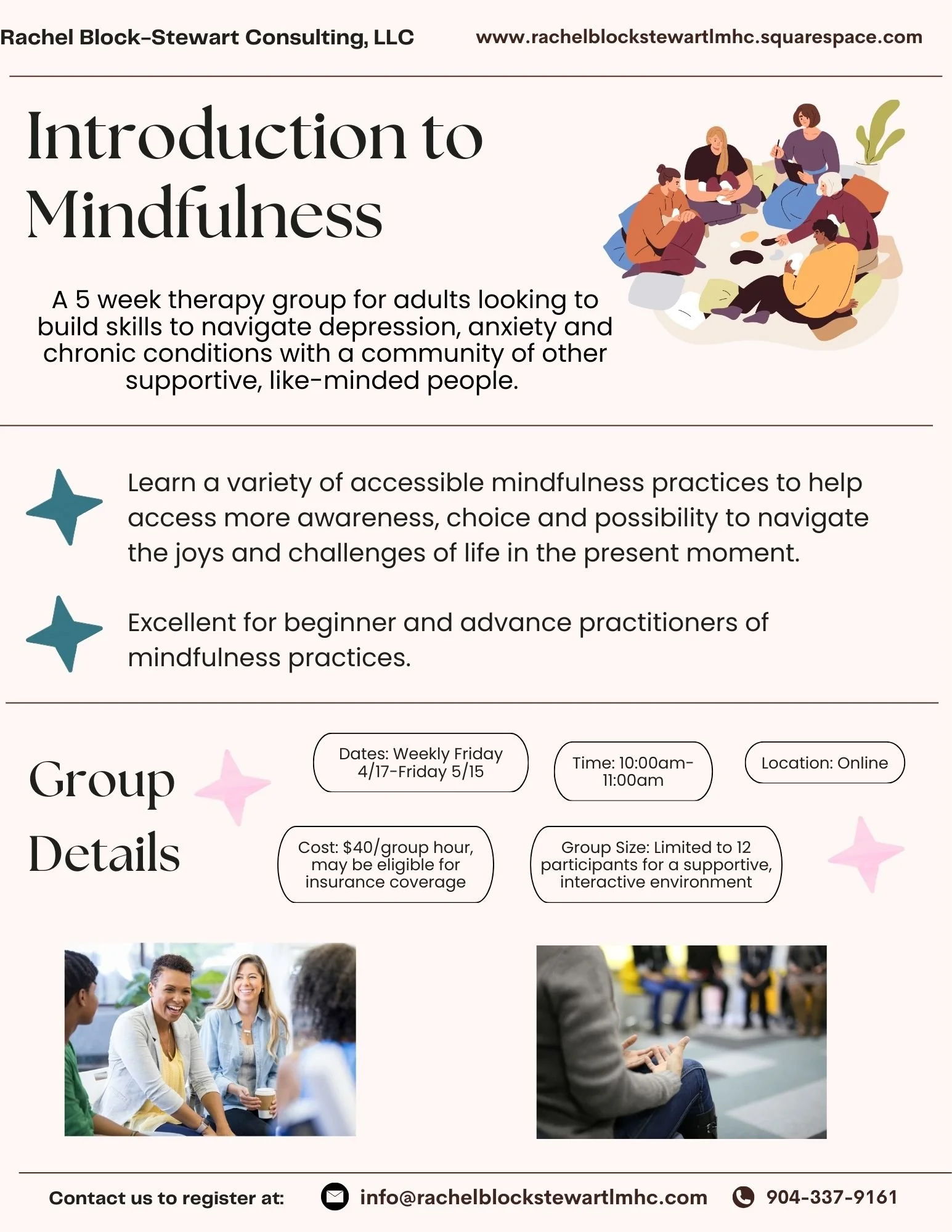
What is Mindfulness Based Cogntiive Therapy?
FAQs
-
MBCT group begins with a 1 hour orientation to the group. We will then meet for 2 hours once a week for 8 additional weeks. Between week 6 and 7 there is a half day “retreat” where you will get to consolidate all your learning over the last 6 weeks, gain skill and experience in tending to yourself and challenges that arise in a supportive environment.
-
MBCT is a closed group. This means that the people you begin the group with will be those you continue the group with until the end. There will be no new people introduced into the group after the first week.
-
It is recommended to have 60 minutes to dedicate to practice 6 out of 7 days of the week.
-
Each group session will begin with an introduction to the weekly theme, a guided mindfulness practice, time to process your experience within the group and learning a cognitive tool or application for navigating challenging mood states.
-
At this time we are out of network and self-pay only for MBCT groups. We are able to offer a superbill upon request.
-
A meditation, yoga or app based guided meditation all offer a mindfulness practice. What makes MBCT unique is the evidence-based and scientifically back scaffolding of different practices, its application to depression and anxiety and the ability to process your individual and unique experience with others going through similar challenges. Each MBCT group is different and catered to the individuals within the group and the group dynamic as a whole. MBCT is offered by licensed, trained professional counselor and mindfulness instructor trained in attunement and helping practitioners stay within their nervous system tolerance window.
-
Before beginning the group, you will meet individually with the facilitator to make sure this group is a good fit for you right now. This may involve coordination with your mental health provider, referral to a mental health provider or development of a care plan if you feel dysregulated during group. We will discuss together whether a MBCT group is right for you at this time.
-
There is so much you could take away from this group. Some of the formal practices and teaching points include but are not limited to: learning how to come out of autopilot and into a greater sense of awareness, mindful eating, greater awareness of body cues for depression and anxiety, using different anchors to tap into the present moment and find support in the present moment, how to bring mindfulness into everyday practices, common mental states associated with depression and anxiety, and developing your own unique skillful care plan to respond in nourishing and supportive ways to navigate anxiety and depression when these states arise.
Good Faith Estimate
Good Faith Estimate
You have the right to receive a “Good Faith Estimate” explaining how much your medical care will cost.
Under the law, health care providers need to give patients who don’t have insurance or who are not using insurance an estimate of the bill for medical items and services.
You have the right to receive a Good Faith Estimate for the total expected cost of any non-emergency items or services. This includes related costs like medical tests, prescription drugs, equipment, and hospital fees.
Make sure your health care provider gives you a Good Faith Estimate in writing at least 1 business day before your medical service or item. You can also ask your health care provider, and any other provider you choose, for a Good Faith Estimate before you schedule an item or service.
If you receive a bill that is at least $400 more than your Good Faith Estimate, you can dispute the bill.
Make sure to save a copy or picture of your Good Faith Estimate.
For questions or more information about your right to a Good Faith Estimate, visit www.cms.gov/nosurprises or call 1-800-985-3059.